Sponsorizzato
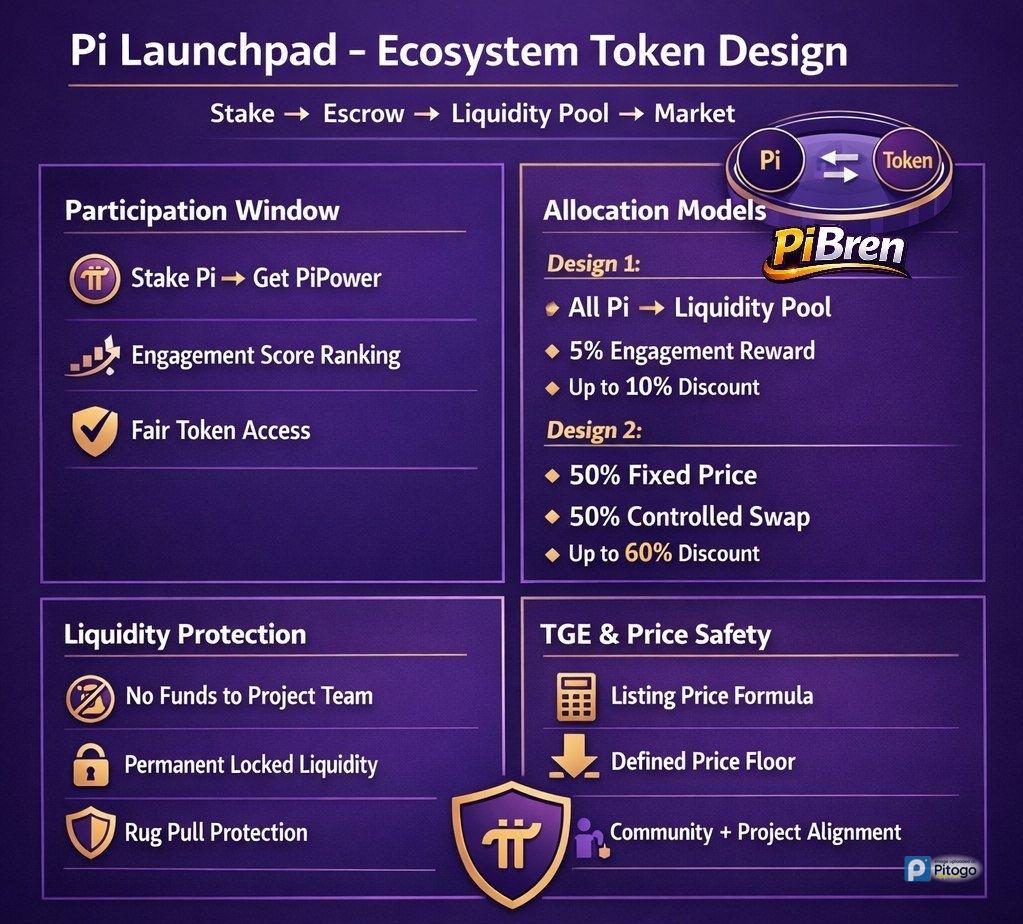
  • Pi Launchpad introduces a powerful ecosystem token design
    Stake Pi → Earn PiPower → Access tokens fairly.
    Locked liquidity, price floor protection, and smart allocation models ensure security, transparency, and long-term community alignment.
    #PiNetwork
    Pi Launchpad introduces a powerful ecosystem token design Stake Pi → Earn PiPower → Access tokens fairly. Locked liquidity, price floor protection, and smart allocation models ensure security, transparency, and long-term community alignment. #PiNetwork
    Love
    1
    0 Commenti 0 condivisioni 8K Views 0 Anteprima
  • Time is the fairest judge of all, showing no bias and granting no privileges. In the vast expanse of time, everyone has the opportunity to face both opportunities and challenges. In today's digital age, the rise of blockchain technology presents us with unprecedented opportunities.

    Blockchain is a decentralized distributed ledger technology that has revolutionized traditional centralized financial models, providing individuals and enterprises with greater autonomy and transparency. The characteristics of blockchain make data and transactions more secure and immutable, while also offering vast potential for innovation and development.

    In the era of blockchain, understanding and seizing opportunities is crucial. Whether it's investing in cryptocurrencies, participating in decentralized finance (DeFi), creating non-fungible tokens (NFTs), or developing blockchain applications and technologies, these are all areas that can bring tremendous opportunities for individuals and businesses. However, it's also important to be mindful of risks and challenges, and to proceed with caution and prudence.

    Let us cherish time, seize the opportunities of the blockchain era, and work together to create a better future!
    Time is the fairest judge of all, showing no bias and granting no privileges. In the vast expanse of time, everyone has the opportunity to face both opportunities and challenges. In today's digital age, the rise of blockchain technology presents us with unprecedented opportunities. Blockchain is a decentralized distributed ledger technology that has revolutionized traditional centralized financial models, providing individuals and enterprises with greater autonomy and transparency. The characteristics of blockchain make data and transactions more secure and immutable, while also offering vast potential for innovation and development. In the era of blockchain, understanding and seizing opportunities is crucial. Whether it's investing in cryptocurrencies, participating in decentralized finance (DeFi), creating non-fungible tokens (NFTs), or developing blockchain applications and technologies, these are all areas that can bring tremendous opportunities for individuals and businesses. However, it's also important to be mindful of risks and challenges, and to proceed with caution and prudence. Let us cherish time, seize the opportunities of the blockchain era, and work together to create a better future!
    Like
    Love
    Haha
    Yay
    12
    2 Commenti 0 condivisioni 10K Views 0 Anteprima
  • Web2 and Web3 refer to different generations or iterations of the internet. Here are the key differences between Web2 and Web3:

    1. Centralized vs. Decentralized: Web2 is characterized by centralized platforms and services, where power and control are concentrated in the hands of a few entities like tech giants. In contrast, Web3 is driven by decentralized technologies like blockchain, where power and control are distributed among users.

    2. Ownership and Control: In Web2, users have limited ownership and control over their data and digital assets. Tech companies collect and store user data on centralized servers, making them vulnerable to breaches and misuse. Web3 aims to give users full ownership and control over their data through decentralized systems and cryptographic techniques.

    3. Intermediaries: Web2 relies heavily on intermediaries like social media platforms, search engines, and online marketplaces, which act as gatekeepers and control the flow of information. Web3 seeks to eliminate or minimize the need for intermediaries by enabling direct peer-to-peer interactions and decentralized applications (DApps).

    4. Trust and Transparency: Web2 platforms often lack transparency, and users must place trust in the platform operators to handle their data and transactions ethically. Web3 emphasizes trustlessness and transparency through decentralized consensus mechanisms and smart contracts that can be publicly audited.

    5. Monetization Models: Web2 primarily relies on advertising and user data monetization as revenue models for platforms. In Web3, new monetization models are emerging, such as token economies, micropayments, and decentralized finance (DeFi), where users can directly participate and generate value.

    6. Innovation and Collaboration: Web2 innovation is mainly driven by a few dominant players, and they control the development and updates of their platforms. In Web3, innovation is more open and collaborative, as anyone can contribute to the development of decentralized protocols and DApps.

    7. User Privacy: Web2 platforms often collect and track user data for targeted advertising and personalized experiences. In Web3, privacy is emphasized through cryptographic protocols and decentralized systems that give users greater control over their personal information.

    It's important to note that Web3 is still in its early stages of development, and many of its concepts and technologies are still being explored and refined.
    Web2 and Web3 refer to different generations or iterations of the internet. Here are the key differences between Web2 and Web3: 1. Centralized vs. Decentralized: Web2 is characterized by centralized platforms and services, where power and control are concentrated in the hands of a few entities like tech giants. In contrast, Web3 is driven by decentralized technologies like blockchain, where power and control are distributed among users. 2. Ownership and Control: In Web2, users have limited ownership and control over their data and digital assets. Tech companies collect and store user data on centralized servers, making them vulnerable to breaches and misuse. Web3 aims to give users full ownership and control over their data through decentralized systems and cryptographic techniques. 3. Intermediaries: Web2 relies heavily on intermediaries like social media platforms, search engines, and online marketplaces, which act as gatekeepers and control the flow of information. Web3 seeks to eliminate or minimize the need for intermediaries by enabling direct peer-to-peer interactions and decentralized applications (DApps). 4. Trust and Transparency: Web2 platforms often lack transparency, and users must place trust in the platform operators to handle their data and transactions ethically. Web3 emphasizes trustlessness and transparency through decentralized consensus mechanisms and smart contracts that can be publicly audited. 5. Monetization Models: Web2 primarily relies on advertising and user data monetization as revenue models for platforms. In Web3, new monetization models are emerging, such as token economies, micropayments, and decentralized finance (DeFi), where users can directly participate and generate value. 6. Innovation and Collaboration: Web2 innovation is mainly driven by a few dominant players, and they control the development and updates of their platforms. In Web3, innovation is more open and collaborative, as anyone can contribute to the development of decentralized protocols and DApps. 7. User Privacy: Web2 platforms often collect and track user data for targeted advertising and personalized experiences. In Web3, privacy is emphasized through cryptographic protocols and decentralized systems that give users greater control over their personal information. It's important to note that Web3 is still in its early stages of development, and many of its concepts and technologies are still being explored and refined.
    Like
    Love
    Yay
    18
    5 Commenti 1 condivisioni 9K Views 0 Anteprima
  • Exploring Web3:
    Innovation and the Potential Behind It
    🖕
    Come on, let's look at the conversation between Daniel and Tomas about web3

    &

    Daniel: Hey Tomas, have you heard about web3?

    Tomas: Yes, I've been reading a lot about it lately. It's an exciting concept, isn't it?

    Daniel: Absolutely! Web3 represents a new era of the internet, where decentralization, transparency, and user empowerment take center stage.

    Tomas: That's right. It's all about shifting power from centralized authorities to the users themselves. With web3, individuals can have greater control over their data and digital identity.

    Daniel: And it's not just about control, but also about enabling new possibilities. Smart contracts and decentralized applications (dApps) are revolutionizing how we interact with digital services and engage in peer-to-peer transactions.

    Tomas: I find the idea of eliminating intermediaries and facilitating direct interactions between users fascinating. It has the potential to reshape many industries, including finance, governance, and even social media.

    Daniel: Indeed! Web3 has the potential to democratize access to financial services, allow for transparent decision-making through decentralized governance models, and create new avenues for creative expression and collaboration.

    Tomas: However, I wonder how mainstream adoption of web3 will unfold. It requires a shift in mindset and significant changes to existing infrastructures.

    Daniel: True, adoption may take time, but we're already seeing promising developments. More people are becoming aware of the potential of web3, and projects are emerging that aim to make it more accessible and user-friendly.

    Tomas: Education and user experience will play a crucial role in driving adoption. We need to explain the benefits of web3 in a way that resonates with people and address their concerns about privacy, security, and usability.

    Daniel: Absolutely. It's important to foster a user-centric approach and build trust in the technology. Collaboration between developers, designers, regulators, and communities will be key to making web3 a reality for everyone.

    Tomas: I'm excited to be part of this journey and see how web3 unfolds in the coming years. It has the potential to reshape the internet and empower individuals like never before.

    Daniel: I couldn't agree more. Let's keep learning, exploring, and contributing to the development of web3. Together, we can shape a more open, inclusive, and user-centric digital future.

    Tomas: Definitely! The possibilities are endless, and I believe web3 holds great promise for creating a more equitable and empowering digital landscape.

    Daniel: Let's continue the conversation and stay engaged in the web3 community. Together, we can help drive the change we want to see.

    Tomas: Absolutely, let's make web3 a reality!
    Exploring Web3: Innovation and the Potential Behind It 🖕 Come on, let's look at the conversation between Daniel and Tomas about web3 & Daniel: Hey Tomas, have you heard about web3? Tomas: Yes, I've been reading a lot about it lately. It's an exciting concept, isn't it? Daniel: Absolutely! Web3 represents a new era of the internet, where decentralization, transparency, and user empowerment take center stage. Tomas: That's right. It's all about shifting power from centralized authorities to the users themselves. With web3, individuals can have greater control over their data and digital identity. Daniel: And it's not just about control, but also about enabling new possibilities. Smart contracts and decentralized applications (dApps) are revolutionizing how we interact with digital services and engage in peer-to-peer transactions. Tomas: I find the idea of eliminating intermediaries and facilitating direct interactions between users fascinating. It has the potential to reshape many industries, including finance, governance, and even social media. Daniel: Indeed! Web3 has the potential to democratize access to financial services, allow for transparent decision-making through decentralized governance models, and create new avenues for creative expression and collaboration. Tomas: However, I wonder how mainstream adoption of web3 will unfold. It requires a shift in mindset and significant changes to existing infrastructures. Daniel: True, adoption may take time, but we're already seeing promising developments. More people are becoming aware of the potential of web3, and projects are emerging that aim to make it more accessible and user-friendly. Tomas: Education and user experience will play a crucial role in driving adoption. We need to explain the benefits of web3 in a way that resonates with people and address their concerns about privacy, security, and usability. Daniel: Absolutely. It's important to foster a user-centric approach and build trust in the technology. Collaboration between developers, designers, regulators, and communities will be key to making web3 a reality for everyone. Tomas: I'm excited to be part of this journey and see how web3 unfolds in the coming years. It has the potential to reshape the internet and empower individuals like never before. Daniel: I couldn't agree more. Let's keep learning, exploring, and contributing to the development of web3. Together, we can shape a more open, inclusive, and user-centric digital future. Tomas: Definitely! The possibilities are endless, and I believe web3 holds great promise for creating a more equitable and empowering digital landscape. Daniel: Let's continue the conversation and stay engaged in the web3 community. Together, we can help drive the change we want to see. Tomas: Absolutely, let's make web3 a reality!
    Like
    Love
    Wow
    Yay
    Sad
    39
    12 Commenti 3 condivisioni 8K Views 0 Anteprima
  • Wish u all the best....#photography #models #indonesia #pitogo
    Wish u all the best....#photography #models #indonesia #pitogo
    Like
    11
    1 Commenti 0 condivisioni 528 Views 0 Anteprima